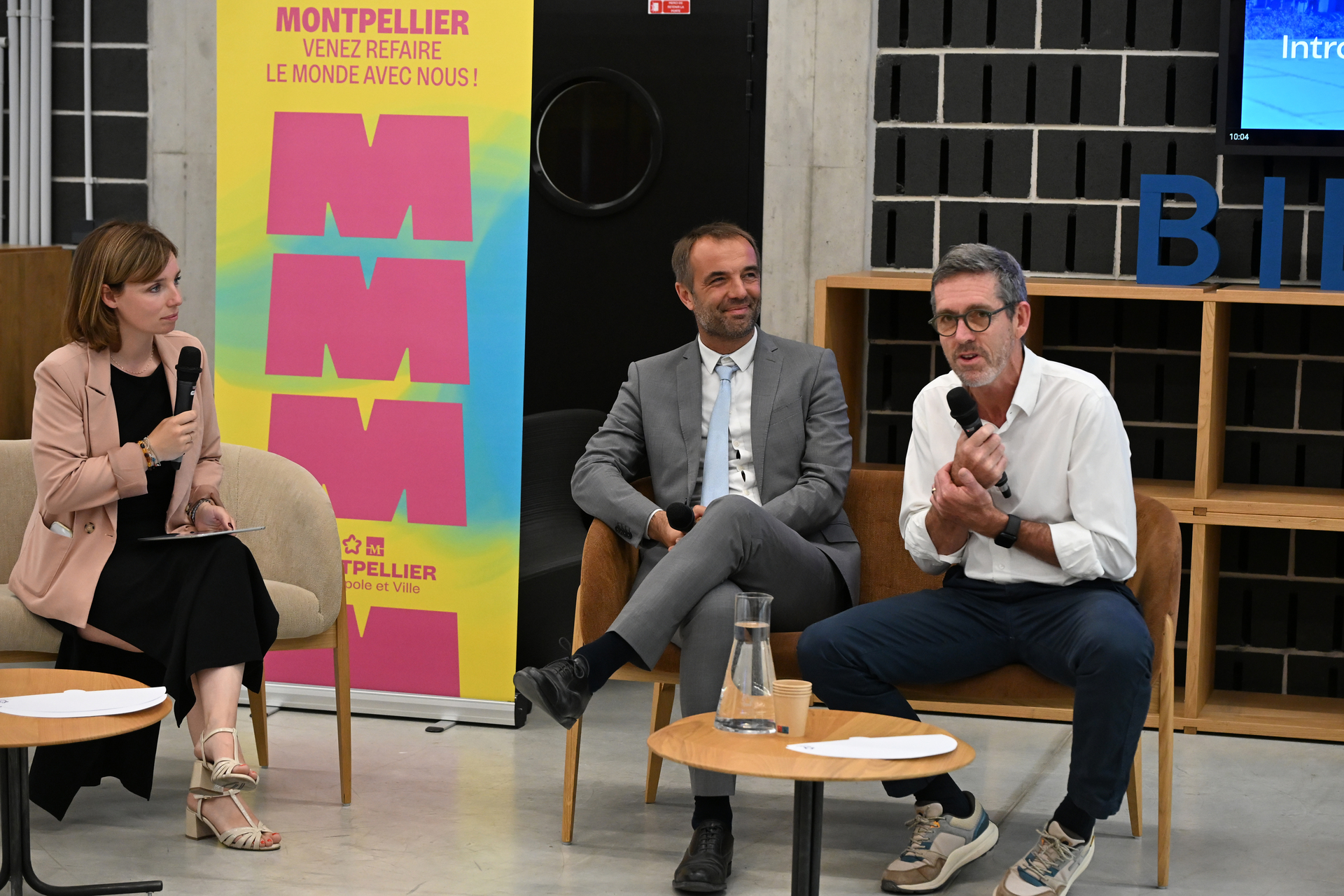
“Energy transition is no longer just a response to the climate challenge. It has become a matter of national sovereignty. We need energy policy just as much as we need defense policy.” said Jules Nyssen, president of the Renewable Energy Union and a prominent speaker at this year’s event.
Long driven by its goal to achieve carbon neutrality, French energy policy now operates within a deeply transformed context. The imperatives of combating global warming have been compounded by new geopolitical realities, marked by international tensions and risks to the security of energy supplies.
Dependence on fossil fuels still represents a major burden on the French economy, with more than 60 billion euros spent annually on imports. Accelerating the development of renewable energy means bringing value closer to home, creating jobs, and strengthening the country’s energy independence.
“Faced with indecision at the national level, we are in a territory that is taking action. Our top priority is to decarbonize, continue to adapt by making the necessary decisions, and support stakeholders as they accelerate the transition.” said Michaël Delafosse, president of Montpellier Méditerranée Métropole.
Sovereignty plays out at the local level
France's recently adopted third Multi-Year Energy Plan (PPE3) establishes a new framework. However, its objectives remain limited, and the lack of regulatory stability and implementation tools leave it somewhat incomplete.
“It is essential for us to decentralize energy policy. Ultimately, this plays out in the field, at the local level. (…) Montpellier is a territory of pioneers. The culture and mindset here are very conducive to that,” adds Jules Nyssen.
While the PPE3 provides a framework long eagerly awaited by the industry, the stakeholders gathered in Montpellier emphasized above all the need to translate the policy into concrete action in order to secure long-term investments.
Innovation, storage, and grids: new growth drivers
“We now need to think about the energy system as a whole, from production to consumption to balancing. It’s up to us, collectively, to take matters into our own hands." Bastien Toulemonde, Occitanie regional delegate for EDF
“60% of the energy used in France still comes from fossil fuels. We need to make investments on a scale similar to those made in the early days of nuclear power to produce renewable energy on a massive scale.” Sylvain Panas, Regional Director, TotalEnergies
The development of batteries, smart grids, collective self-consumption, and new flexibility solutions is opening up new markets for companies in the sector.
“In the future, flexibility and storage will allow us to take things to the next level. This is the cornerstone for expanding production.” François Daumard, President of Valeco
“We are transitioning from being grid operators to flow managers, and we are ready.” Virginie Monnier-Mangue, Deputy Director of Enedis Languedoc-Roussillon
Beyond technology, the speakers emphasized the importance of enhanced dialog between manufacturers, local governments, and operators, which they viewed as a key factor for success. They also highlighted several major challenges: simplifying procedures, strengthening ties with the agricultural sector, and the need for a balanced approach across different energy sources. The goal is to build a complementary energy mix while addressing the challenges associated with long-term planning.
Heading into a new phase of the energy transition
Between the national framework, local innovations, and new projects, Montpellier Méropole is establishing itself as a pilot area. Many concrete achievements have already been made. In particular, the metropolitan area is the first in Europe to introduce free public transportation. It is also developing innovative technical solutions led by Altémed: Europe’s largest geothermal power plant for Montpellier's Cambacérès district, an energy recovery system at the Odysseum shopping center, and a heat pump system for the Eurêka district in Castelnau-le-Lez. Other examples include the deployment of 600 electric vehicle charging stations and electrification of the waste collection vehicle fleet by 2031.
“In four years, we’ve reduced our energy consumption by 8% and our GHG emissions by 11%. The results are clear: we’re on track and now we want to push even faster. We unanimously approved revision of the Climate Plan with this goal in mind,” highlights Grégoire Delforge, vice president in charge of ecological and solidarity-based transition for Montpellier Métropole.
Montpellier Métropole also took advantage of this meeting to confirm several other strategic priorities: development of district heating networks; launch of a master plan for energy storage as well as solar power; deployment of collective self-consumption through a system of group purchases of green electricity based on the principle of a municipal cooperative; and consideration of the energy integration requirements of future data centers. The goal is clear: to make the energy transition a driver of economic attractiveness, innovation, and territorial resilience.
An entire industry speaking with one voice
Christian Assaf, vice president in charge of economic development for Montpellier Métropole, announced the launch of the “Call of Montpellier,” designed to unite industry stakeholders around shared proposals. The goal is to contribute to upcoming national initiatives by amplifying the voices of areas that are already testing the solutions of tomorrow.
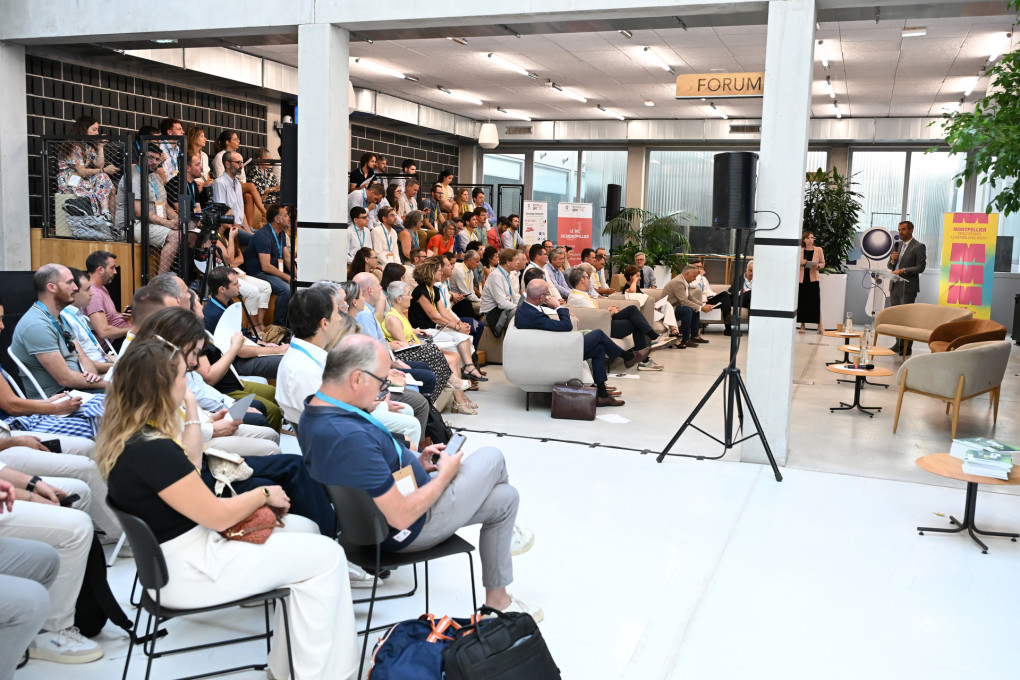
More than just an industry gathering, the Renewable Energy Meetings event has established itself as a forum for strategic reflection on the role of territories in the new energy economy and their ability to support the upcoming transformations. This now-recurring event embodies Montpellier Métropole's commitment to fostering a proactive ecosystem dedicated to an energy transition that creates value.